
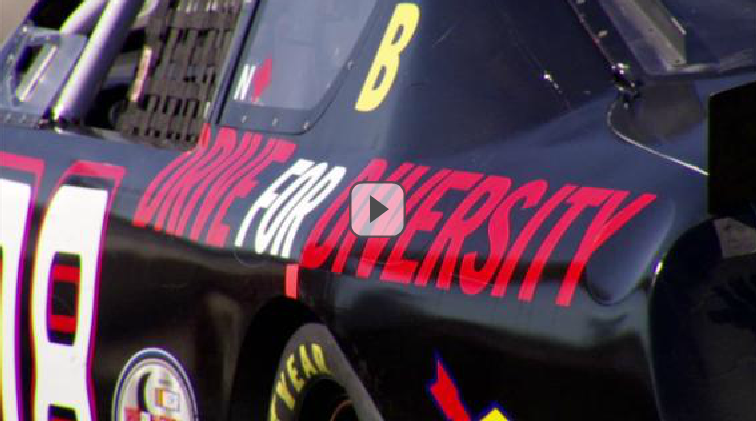
NASCAR’s Diversity Dilemma?
Outside the Lines (Sunday, 9 a.m. ET, ESPN)
In 2004, NASCAR launched its Drive for Diversity program in an effort to develop minorities and women in the sport. While a few program graduates have enjoyed some success, in its nine years of existence, Drive for Diversity has yet to have any program driver participate in a Sprint Cup race. Steve Delsohn examines NASCAR’s efforts to diversify, as well as some of the obstacles minority drivers face in trying to break into the upper echelons of auto racing.
“Ultimately, I think it was because I was too white and didn’t fit their stereotype of what a Puerto Rican should look like.” — Michael Rodriguez, aspiring stock-car driver on being rejected from NASCAR’s Drive for Diversity program
“The program’s ineffective because after a decade they haven’t produced hardly any drivers with any sustainability that can move up the ranks to the cup level.” — Lenny Miller,first African-American team owner in NASCAR history to win a track championship, on NASCAR’s diversity program effort
London Calling
SportsCenter (Sunday, 10 a.m., ESPN)
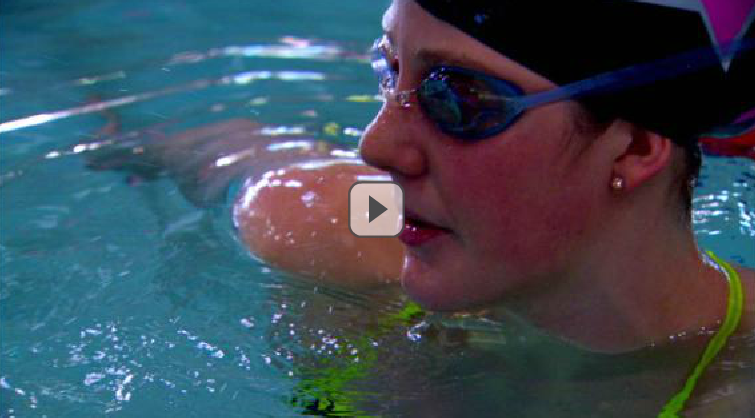
Missy Franklin stands six-feet-two-inches tall, wears a size 13 shoe, and is America’s greatest hope for success in women’s swimming. The Colorado native will participate in seven events at the Olympics in London – the most ever by an American female swimmer. Her path has been unlike other athletic prodigies: she trains with an unknown coach, has turned down lucrative endorsement deals to maintain her amateur status, and works hard to keep the “normal” life of a high school junior. Jeremy Schaap reports.
“I’m still in high school, still a junior, still a teenage girl and that’s one of the biggest things that I try to involve in every aspect of my life. I want to get the full high school experience while I have it.” — Missy Franklin, on her decision to maintain the “normal” life of a teenager while preparing for the Olympics.
“We sat down and talked to Missy. ‘What do you think, sweetie? Here’s the situation. Do you think we should move?’ She said, ‘If you’re thinking about moving for me, I’m happy here, and I love my friends. I love my classmates. I love (swim coach Todd Schmitz). My swimming is going well. I love Colorado, so I’m fine.’” The interesting thing was she said ‘I’ll know if we need to move, and right now, we don’t need to move. I’m doing fine here.’” — DA Franklin, Missy’s mother on the decision not to move and work with more established elite coaches
Penn State Faced Four-Year Death Penalty
ESPN.com
ESPN The Magazine and ESPN.com senior writer Don Van Natta, Jr. reports:
“After five days of intense discussions last week, (Penn State President Rodney) Erickson and (NCAA President Mark) Emmert agreed last Sunday to the historic punishment of a $60 million fine, a four-year postseason ban, significant loss of scholarships and the vacating of 14 years of 112 Penn State victories, causing Joe Paterno to fall from first to eighth on the Division I all-time coaches’ win list.”
Statue of Limitations
ESPN The Magazine

ESPN The Magazine back-page columnist Chris Jones writes: “(Sculptor Angelo Di Maria, commissioned to make a bronze statue of Penn State football coach Joe Paterno in 2001) experimented until he was satisfied: a smiling Paterno running onto the field, his index finger raised high into the air. Four football players would be running through the wall behind him, flanked by Paterno’s own words: ‘They ask me what I’d like written about me when I’m gone. I hope they write that I made Penn State a better place, not just that I was a good football coach.’”