
To tweet: https://es.pn/1AwJThW
Miraculous: The Austin Hatch Story
 (SportsCenter, Sunday, 10 a.m. ET, ESPN)
https://www.youtube.com/watch?v=3y6PI3HQg5k&feature=youtu.be
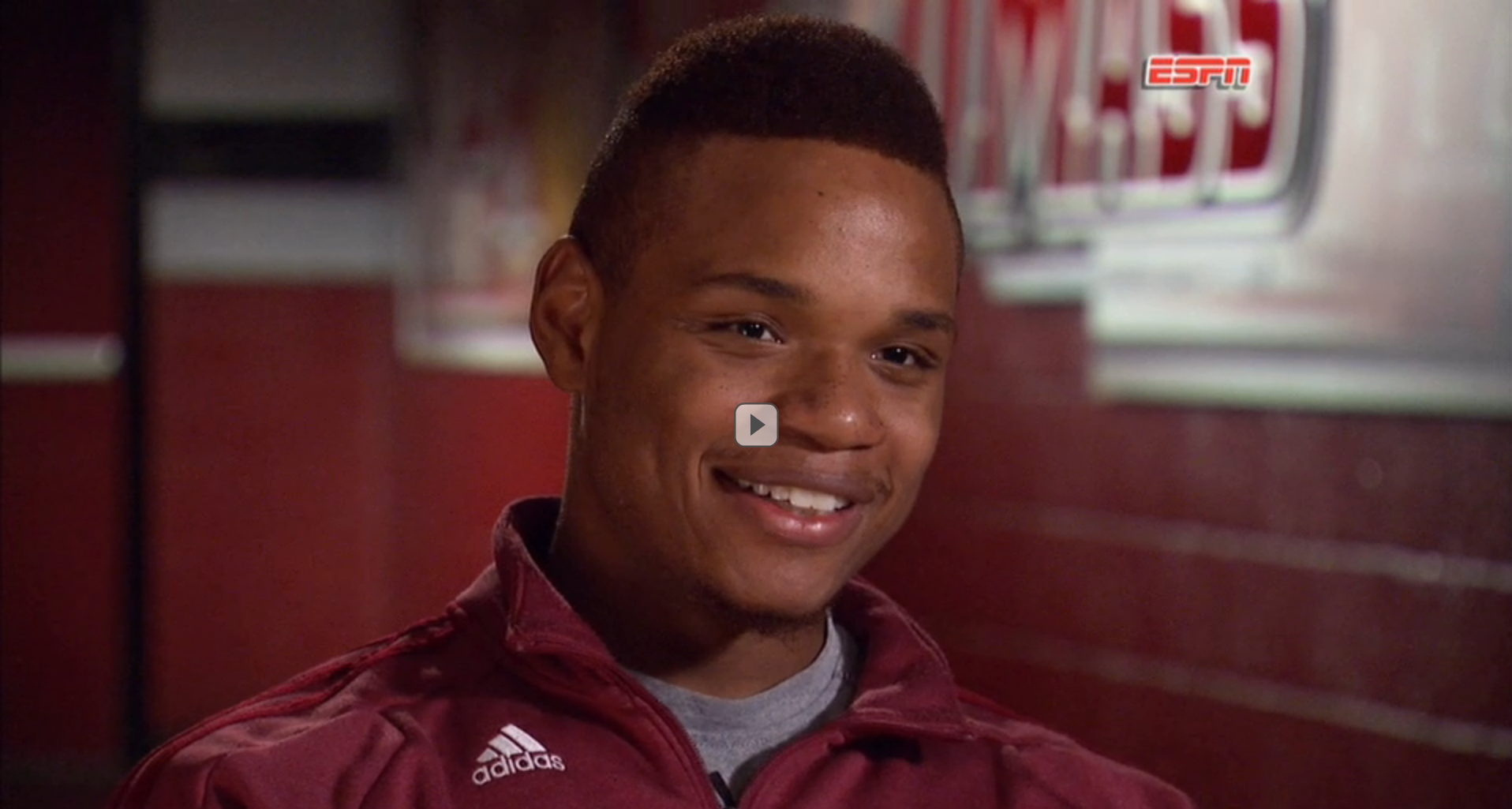
Austin Hatch was nine years old when he survived a plane crash that claimed the lives of his mother and two siblings. By 2011, part of a loving and blended family, he had become a high school basketball standout and proudly signed a commitment to play at the University of Michigan. Then, just days later, tragedy struck once more — eerily similar and equally cruel. And yet, undaunted by the physical and emotional devastation of his second plane crash, Hatch would rise yet again. Chris Connelly reports.
“It’s unbelievable to be here. After all that I’ve been through, to be able to finally make it to Michigan and put on that jersey is a dream come true.” – Austin Hatch
“What he’s gone through so far is miraculous. He said to me, ‘Coach, the way I look at it I’ve been so blessed through life. I’ve only had two really bad days in my life’.” — John Beilein, Michigan men’s basketball coach
“People ask me all the time, ‘What are your expectations for him at Michigan?’ And, you know until the day that we die, I’ll never doubt anything with Austin Hatch.” — Jamal Adams, Loyola High School basketball coach
Possible Effects of Playing Youth Football
Outside the Lines (returns to regular Sunday time and network: Sunday, 9 a.m. ESPN; 10 a.m., ESPN2)

While Sunday’s Super Bowl was the most watched event in television history and pro football continues to thrive, participation at the lower levels of the sport has dropped significantly. Now comes research that says playing tackle football before the age of 12 could create long-lasting damage to the brain, even without a diagnosed concussion. Tom Farrey reports.
“These findings suggest that incurring repeated head impacts during a critical neurodevelopmental period may increase the risk of later-life cognitive impairment.” — The authors, of a new study by Boston University funded by the National Institutes of Health, which examined the mental function of 42 former NFL players between the ages of 40 and 69
“I mean hundreds and thousands of kids have played football in the years past and they’ve all turned out pretty well. We’ll go with the old rule of thumb, if it’s not broken don’t fix it, and they’re doing fine.” — Mark Fleming, father of 9-year-old Keenan, who joined the Worcester, Mass. Cowboys last fall
“I try to push them under the age of 14 to flag football, where they can learn tackling techniques but not by bashing heads and bringing people to the ground.” — Dr. Robert Cantu, Boston University neurosurgeon, who in 2011 began recommending that children avoid tackle football
Sports & Social Protests
Outside the Lines (returns to regular weekday time and network: Tuesday, Feb. 10, 3 p.m., ESPN)

For decades, it was unusual to see star athletes take a stand on social issues. Most have focused on winning and, in some cases, on building a brand. But the recent police-involved deaths of citizens roused demonstrations across the country, and athletes were among some of the most visible protestors. As ESPN continues to commemorate Black History Month, T.J. Quinn examines how today’s social protests harken back to a time when athletes were willing to risk their careers to send a message.
“It just hit close to home as a father. I have a two year old son who is, you know, the reason I wake up every day. Thinking about if that happened to my son, I would want someone to have the courage to say, ‘Okay, I’m gonna stand up for this family, because this is what I also think is right.’” – Andrew Hawkins, Cleveland Browns, on why he chose to speak out about the police-involved shooting death of 12-year-old Tamir Rice
“I think in St. Louis, when the players spoke out was right in the middle of all the violence that was going on, and I think they helped to perpetuate that. I don’t think it was intentional. People were burning buildings, and breaking into cars, and throwing bricks and bottles at people, and it was just an inappropriate time.” – Chuck Canterbury, national president, Fraternal Order of Police
“Your fans can reach you, and they say, ‘Why aren’t you saying anything? What do you think about this? What do you think about that?’ It puts guys in that predicament where you’re almost forced to say something now, which I think is helpful.” — David West, Indiana Pacers
And He Shall Lead Them
ESPN .com
(Additionally: SC Featured: Central High will premiere on SportsCenter Sunday, Feb. 15 at 10 a.m.; a 30-minute Central High special debuts on ESPNU Monday, Feb. 16 at 5:30 p.m.)

Lester Cotton is 6-foot-4 and 328 pounds, which is good because he will be carrying the hopes and dreams of thousands with him next fall when he plays for Nick Saban. The senior at Central High School in Tuscaloosa, Ala. hopes to fulfill his life-long dream by playing football for the University of Alabama. Tommy Tomlinson reports.
Lauren Chamberlain & Shelby Pendley: Softball’s Ruth & Gehrig
espnW
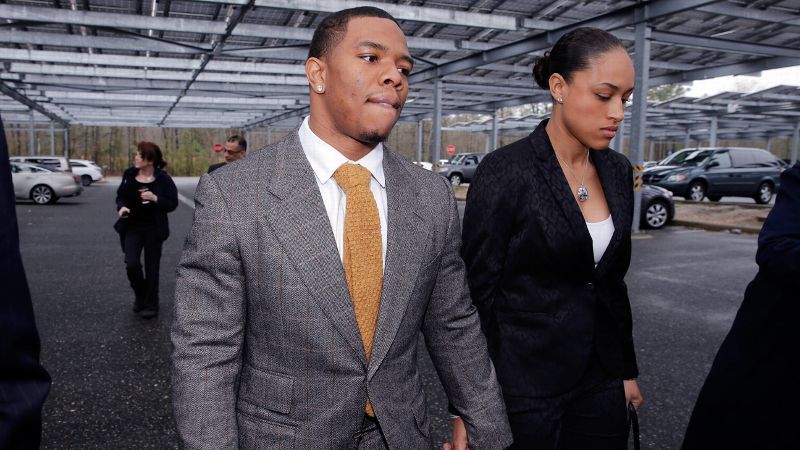
Oklahoma opponents can face gregarious Lauren Chamberlain, the face and voice of her sport who’s chasing the career home run record, or pitch around her to get to Shelby Pendley, the quiet embodiment of excellence. Graham Hays writes: “Good luck stopping them.”

It was announced this week that Outside the Lines received the 2015 Media Award from Mental Health America, which each year honors media professionals who excel in their reporting and portrayal of mental health issues in news and entertainment media.
Reporter Tom Farrey and producer Nicole Noren’s report — “College Athletes and Mental Health: Former University of Missouri Swimmer Sasha Menu Courey” — followed an investigation using thousands of records obtained through open records laws, and the cooperation of Courey’s family. It chronicled how Courey’s life began spiraling downward after she was allegedly raped by a football player, and examined the larger issue of college athletes and mental health.
Mental Health America lauded ESPN’s January 2014 Outside the Lines piece:
- ESPN’s Outside the Lines drew attention to the tragic suicide of University of Missouri swimmer Sasha Menu Courey, and her unanswered cries for help to University of Missouri officials. ESPN shared the story of Sasha—a beautiful and talented swimmer who battled mental health issues and ultimately took her own life when she couldn’t find the help she needed. By thoroughly reporting on this important topic with sensitivity and compassion, OTL not only honored Sasha’s memory but also brought attention to the urgent need to change the dialogue of mental health in this country—on college campuses and beyond.
Additionally, The Columbia Missourian noted: An ESPN Outside the Lines report sparked controversy, and change, throughout the University of Missouri System.